1 / 2



Lithuania is a country with a rich and multifaceted Jewish heritage. Over the course of several centuries, large Jewish communities developed here, along with religious life, education, culture, and literature. Vilnius played a particularly important role in the history of Lithuanian Jews and, due to its spiritual and intellectual significance, became known as the “Jerusalem of the North.”
Today, Jewish heritage sites can be found throughout Lithuania, including historic synagogues, Jewish cemeteries, former Jewish quarters, museums, memorials, and monuments. They reveal not only the tragic chapters of the past, but also the rich culture, traditions, and everyday life of the Litvak Jewish community.
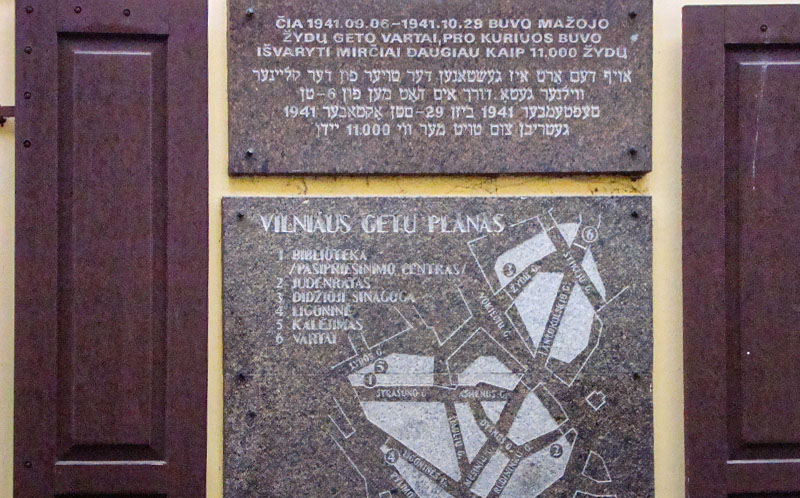
One of the best places to explore Lithuania's Jewish heritage is located in the very heart of Vilnius. The narrow streets of the Old Town still evoke the time when shops, craft workshops, houses of prayer, libraries, and educational institutions were located here.
For centuries, this area was one of the main centers of Jewish life in Vilnius. Today, a walk through the former Jewish quarter allows visitors to explore the surviving urban environment and memorial sites connected with the history of the community.
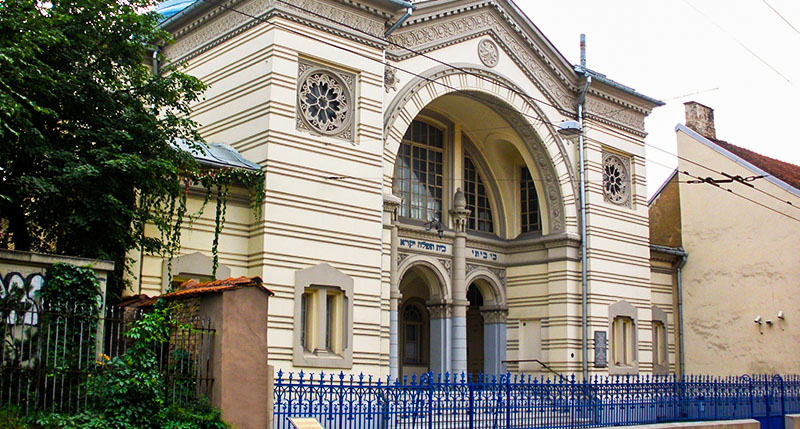
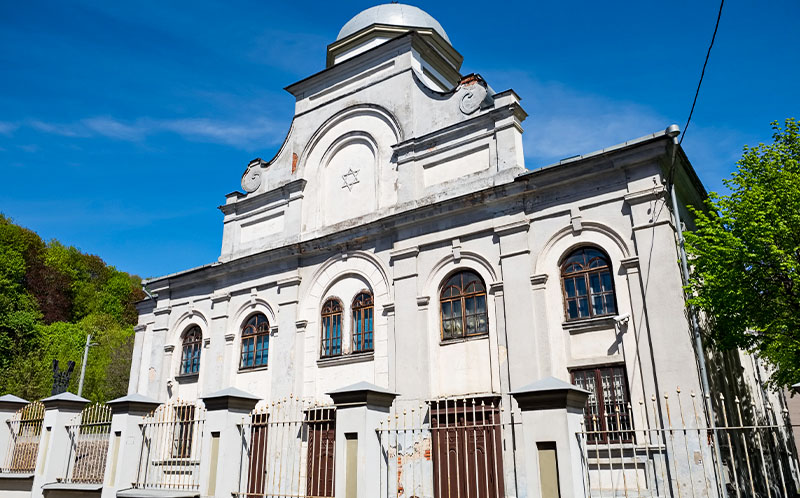
The Choral Synagogue on Pylimo Street is one of the best-known functioning synagogues in Lithuania. It was built in 1903 and features architecture inspired by Eastern styles.
Its significance is particularly important because it is the only one of Vilnius's more than one hundred pre-war synagogues that has survived and continues to be used for its original purpose. The synagogue remains an active religious center of the city's Jewish community.
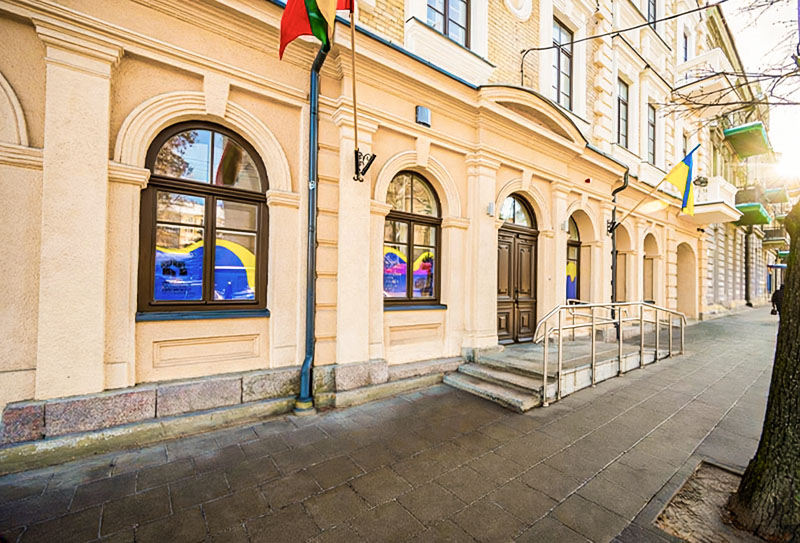
For those who want to learn more about the history and culture of Lithuania's Jewish communities, an important destination is the Museum of Lithuanian Jewish Culture and Identity in Vilnius.
The exhibitions explore the everyday life of Jewish communities, traditions, languages, literature, music, theatre, and art. Special attention is given to Litvak culture — the culture of Jews from Lithuania and the historic territories of the Grand Duchy of Lithuania. The museum helps visitors see Jewish history not only through the tragedy of the 20th century, but also as a history of rich culture, intellectual life, and creativity.
Druskininkai is a city with a rich history and unique Jewish cultural heritage. Here you can visit the old Jewish cemeteries of Druskininkai and Ratnyčia, the site of the former synagogue, the Jewish ghetto memorial, the Jacques Lipchitz Sculpture Park, and other historical sites connected with the city's Jewish community. VilniusTransfer.com can provide private transportation and private transfers to Druskininkai from Vilnius, Kaunas, and other cities in Lithuania. A comfortable private transfer to Druskininkai is a convenient option for individual travelers, families, and small groups who wish to explore the city's Jewish heritage, visit historical landmarks, and plan their own itinerary without depending on public transportation.
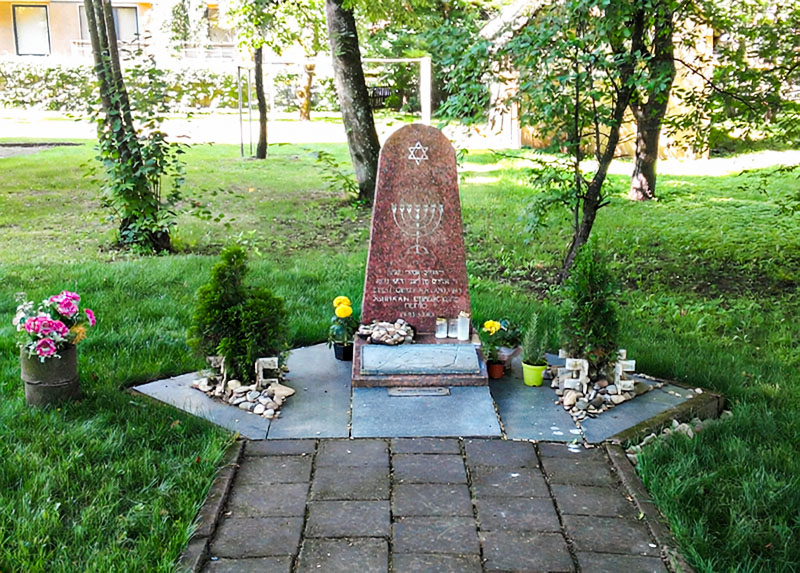
Another significant site in Vilnius is the Holocaust exhibition known as the "Green House". It presents documents, photographs, personal belongings, and testimonies telling the story of Lithuanian Jews during the Second World War.
Visiting the museum helps visitors understand the scale of the tragedy that befell Lithuania's Jewish community. It is an important place of remembrance, commemorating the lives of people murdered during the Holocaust and reminding us of the importance of preserving their memory.
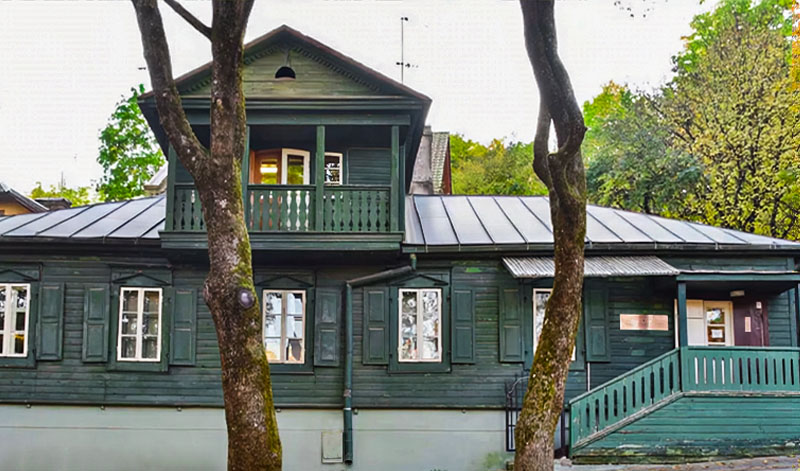
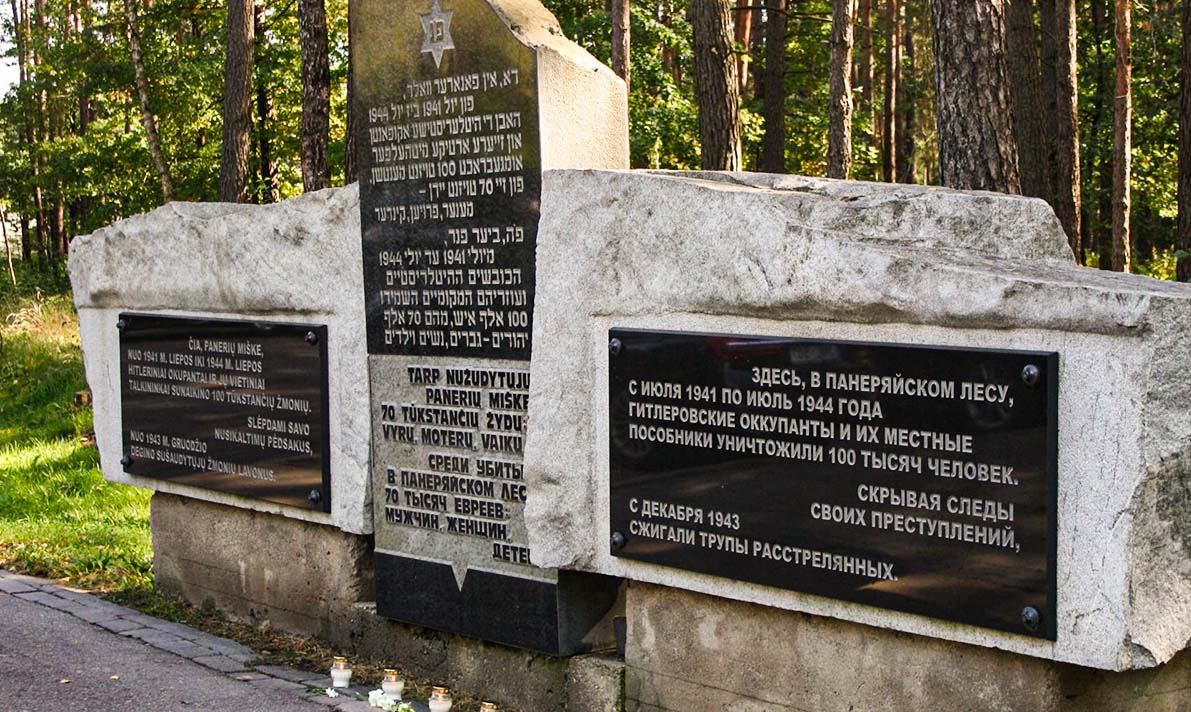
Paneriai is one of the most tragic sites in Lithuanian Jewish history. During the German occupation, mass killings took place in the forest near Vilnius. Tens of thousands of Jews from Vilnius and other areas were among those murdered.
Today, a memorial complex dedicated to the victims of the mass killings stands here. Paneriai is one of the most important sites of remembrance in Lithuania and serves as a reminder of the scale of the destruction of the country's Jewish population during the Second World War.
VilniusTransfer.com organizes private transfers directly to the Paneriai Memorial. We can provide a transfer from central Vilnius, your hotel, the airport, or another convenient location and take you directly to the memorial complex.
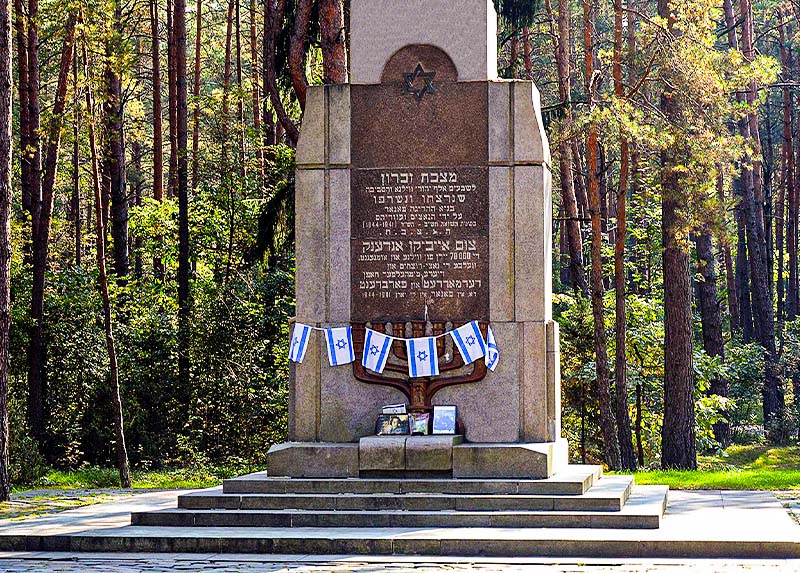
VilniusTransfer.com can organize a private tour of Jewish cemeteries in Lithuania, dedicating the journey to the history and cultural heritage of the Lithuanian Jewish community. In Vilnius, the Jewish cemeteries on Sudervės Street and Olandų Street are of particular importance. Unfortunately, some older cemeteries were destroyed or partially damaged during the 20th century. However, the surviving graves, tombstones, and memorials continue to play an important role in preserving historical memory.
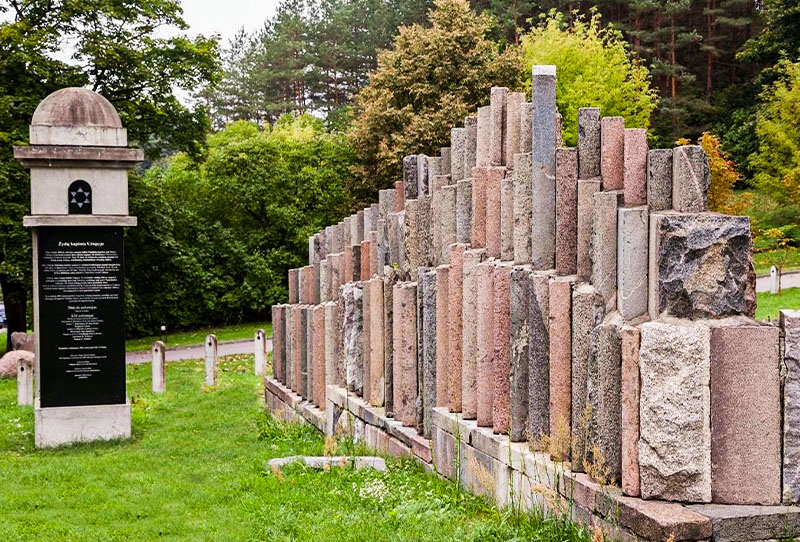
Not only Vilnius is connected with the history of Lithuanian Jews. Kaunas is also of great importance and, together with Vilnius, is considered one of the two main centers of Jewish heritage in Lithuania. We offer private transfers to Jewish heritage sites in Kaunas. In Kaunas, you can visit historic synagogues, former Jewish quarters, and memorial sites connected with the Jewish community and the Holocaust. The city is particularly important to the history of Jewish culture, education, and the development of Hebrew. Vilnius is traditionally associated with a strong Yiddish culture, while Kaunas was one of the prominent centers of Jewish culture in Hebrew.
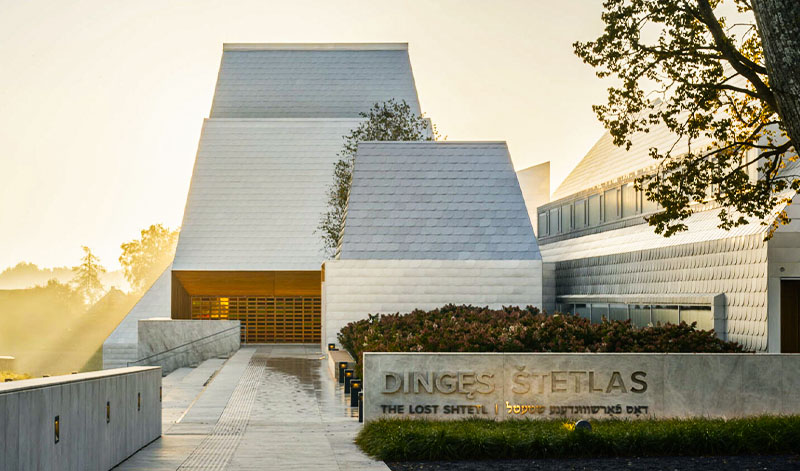
The "Lost Shtetl" museum in the town of Seduva is a new Jewish museum in Lithuania dedicated to the history of the Jewish community of Seduva, Litvak culture, and life in Jewish shtetls.
VilniusTransfer.com provides private transfers to the "Lost Shtetl" Museum from Vilnius, Kaunas, and other cities in Lithuania. We provide comfortable private transportation with the option to choose a convenient travel time and route.
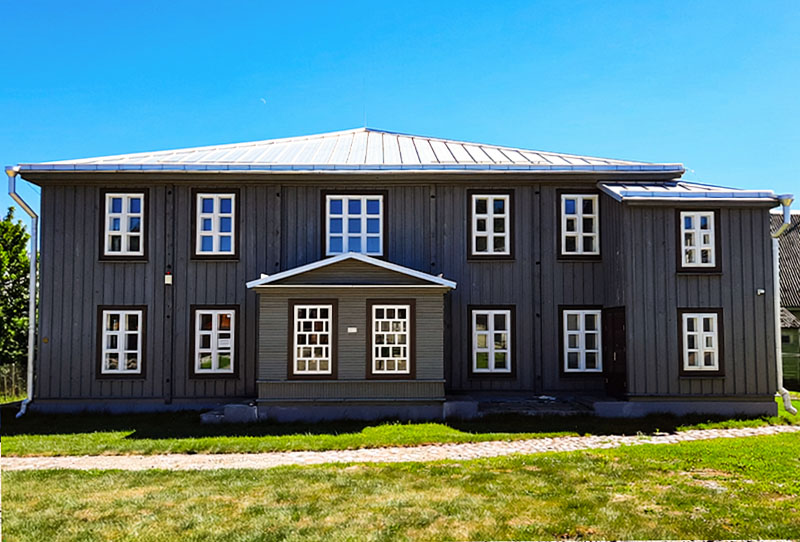
Ziezmariai is a small historic town in Lithuania, located between Vilnius and Kaunas. The town is known for its historic center, wooden architecture, and rich cultural heritage, including sites connected with the history of the local Jewish community.
VilniusTransfer.com provides private transfers to Žiežmariai from Vilnius, Kaunas, and other cities in Lithuania. A private transfer allows you to reach the town comfortably without being tied to public transportation schedules and to choose a convenient departure time.
A private transfer to Ziezmariai can be arranged as a separate trip or included in an itinerary visiting historic sites across Lithuania. We provide comfortable transportation for individual travelers, families, and small groups.
The history of Jews in Lithuania spans several centuries. Jewish communities gradually emerged in cities and towns, developing trade, crafts, education, religious life, and culture.
Particularly strong was the Jewish community in Vilnius. At the beginning of the 20th century, Jews made up a significant part of the city's population. Numerous synagogues and prayer houses operated here, and Vilnius became one of the most important centers of Jewish scholarship and culture in Eastern Europe. This is why the city became known as “Jerusalem of the North”.
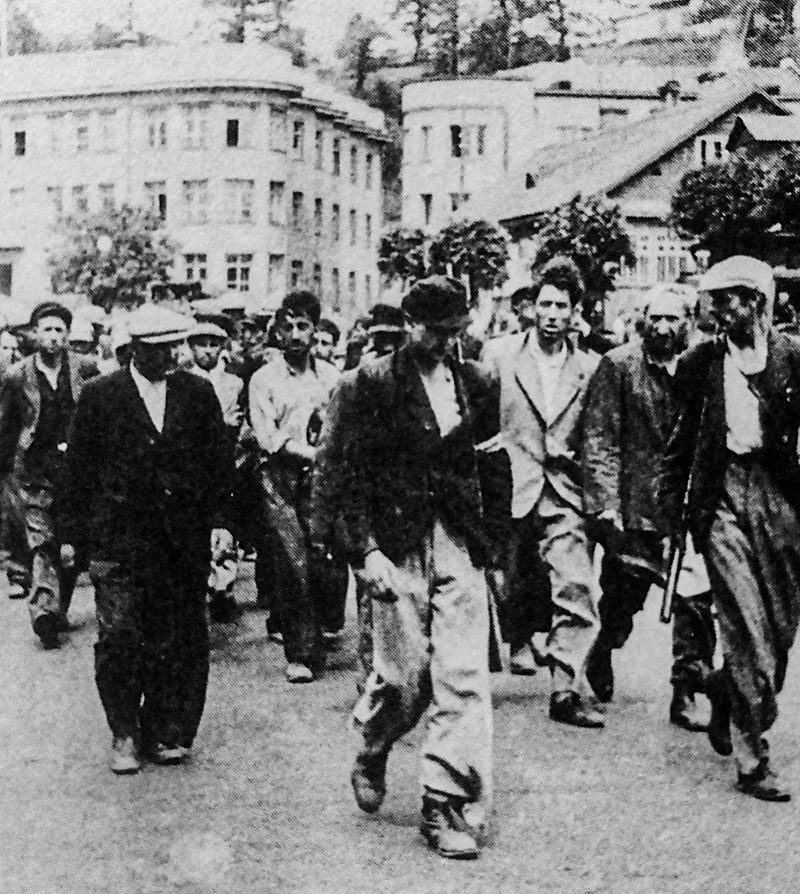
The 20th century brought a tragic turning point. During the Holocaust, most of Lithuania's Jewish population was murdered. Before the beginning of the German occupation in 1941, around 240,000 Jews lived in the country, while after the war only a small part of the pre-war community remained.
Today, Lithuania continues to preserve the memory of this history through museums, memorials, restored synagogues, historical routes, and other Jewish heritage sites.
Litvaks hold a special place in the history of Lithuanian Jewry – this is the traditional name for Jews originating from historical Lithuania and neighboring regions.
Litvaks made an enormous contribution to the development of Jewish religious thought, scholarship, literature, art, and education. One of the most famous figures was the Vilna Gaon – an outstanding 18th-century Talmudist and thinker whose name is forever associated with Vilnius.
Lithuania was also the birthplace and home of many prominent figures in Jewish culture and the arts. They included artists, writers, musicians, scholars, and public figures whose legacy extended far beyond the country. This intellectual and cultural tradition made the Litvaks a prominent part of the history of European Jewry.
A journey through the Jewish heritage sites of Lithuania is an opportunity to see the country's history from a different perspective. Behind the facades of old Vilnius, the quiet cemeteries, preserved synagogues, and museum exhibitions lies the story of people who were part of Lithuanian society for centuries.
This is a story not only of tragedy, but also of culture, knowledge, faith, art, and human lives. Lithuania's Jewish heritage continues to live on in the old streets of Vilnius, the architecture of Kaunas, museum collections, books, memorials, and the names of people who left their mark on world history.
Today, walking through the streets of a former Jewish quarter or entering an active synagogue, it is possible to feel the connection between the past and the present. And perhaps this is the greatest value of Lithuania's Jewish heritage – it does not simply tell the story of the past, but helps preserve the memory of the people, culture, and world that were once an integral part of Lithuania.